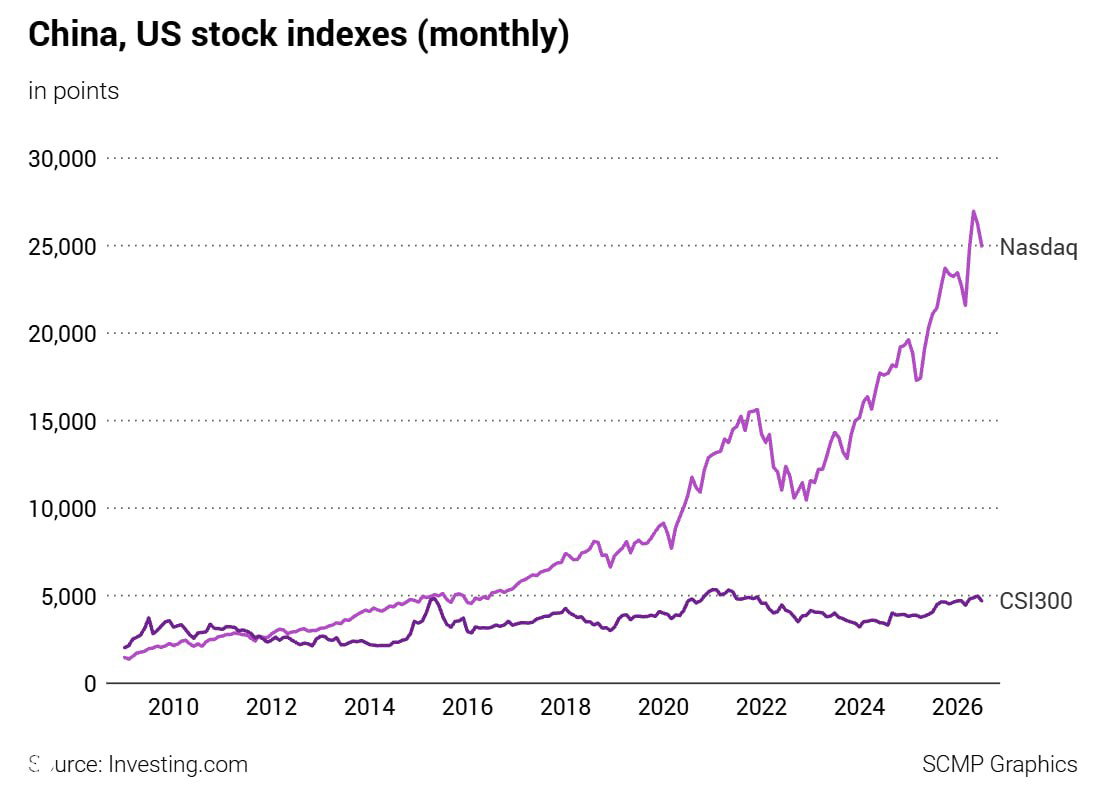
For fifteen years, investors have gauged China’s success by comparing the CSI 300 to the S&P 500. Since Wall Street was rising faster, they concluded that the American model had won and that China had failed.
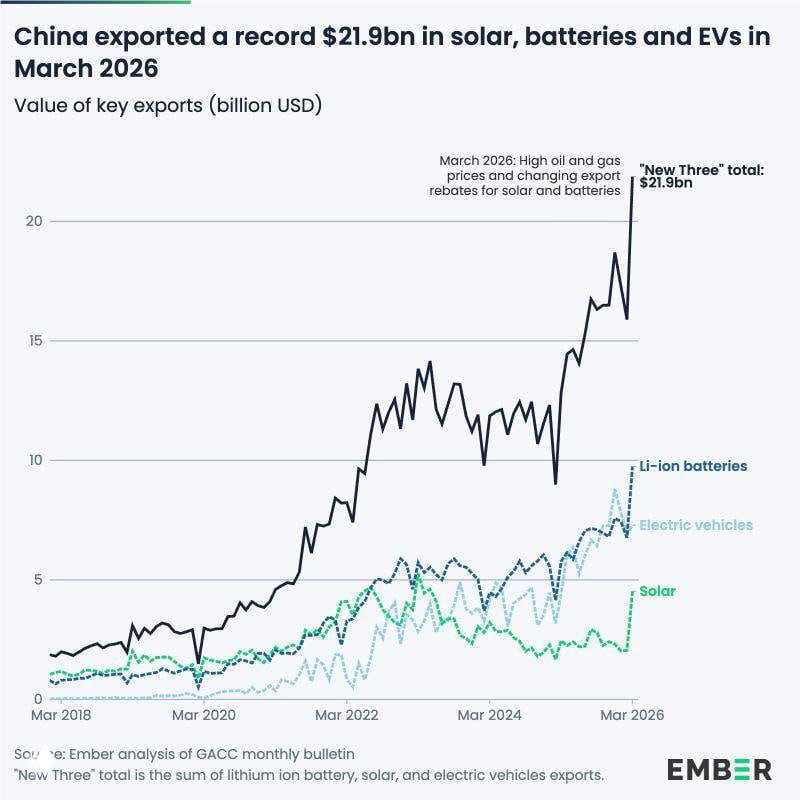
Meanwhile, China was building power grids, battery supply chains, robot factories, data centers, artificial intelligence models, memory industry leaders, and, now, its first immersion lithography machines.
The Chinese market has not yet fully reflected China’s success. But that is precisely what makes it interesting.
It has a different currency, a different credit cycle, a different monetary policy, a different savings base, a different energy trajectory, and an industrial architecture that is increasingly less dependent on Washington’s goodwill.
China can therefore become a source of diversification even before it becomes a source of outperformance.
And if Beijing manages to strike a better balance between corporate financing and investor returns, diversification could ultimately deliver precisely what Western investors claim to be seeking: performance.